As the weather turns colder and wetter in autumn, damp and mould problems in homes often become worse. What many tenants think of as a nuisance can indicate serious housing disrepair — causing damage to property and risks to health. This guide explains what tenants should do, what landlords are responsible for, and how legal support can help. We also summarise a recent FDM case where we secured a positive outcome for a tenant left without representation.
Why damp and mould matter this autumn
Autumn’s increased humidity, falling temperatures and reduced ventilation make mould growth more likely. Left unaddressed, mould can:
- Damage plaster, paintwork, furniture and structural elements such as ceilings and timber;
- Worsen respiratory conditions, allergies and other health problems;
- Make a home unsafe or unfit to live in if left to progress.
What are a landlord’s legal responsibilities?
Landlords must provide and maintain properties in a condition that is safe and fit for human habitation. Key responsibilities typically include:
- Repairing leaks in roofs, gutters and pipes;
- Addressing rising damp, penetrating damp and condensation where the defect is linked to property disrepair;
- Ensuring communal heating and ventilation systems are maintained (where provided);
- Responding to reported disrepair within a reasonable timescale and carrying out necessary remedial works.
If your landlord does not act after being told about a problem, you have options — from escalating the issue to the local authority to seeking legal remedies for disrepair.
Practical steps tenants should take immediately
1. Report the problem in writing
Always report damp, mould and disrepair to your landlord or managing agent in writing (email or letter). Record the date, describe the problem and keep a copy.
2. Gather evidence
- Take dated photographs and, if possible, short videos showing the problem and its progression;
- Keep copies of emails, texts, and any repair requests;
- Record dates and times of conversations and any promises or replies from the landlord.
3. Make reasonable attempts to mitigate
Open windows when possible, use extractor fans, and wipe down condensation — but do not accept that temporary tenant measures are a substitute for proper repairs where the cause is the property itself.
4. Escalate if there’s no prompt action
- Contact your landlord again, quoting earlier reports and asking for a timescale;
- If you’re in social housing, raise it with the housing provider’s complaints team and, if needed, the housing ombudsman;
- Contact your local council environmental health department if the property poses a health risk.
Legal remedies and when to get help
If a landlord refuses or delays essential works, tenants can pursue legal remedies, which may include orders for repairs and compensation for loss or damage. Court proceedings can be complex — cases can be jeopardised if deadlines are missed or if a party becomes unrepresented.
Why timely legal advice matters
- Legal advisors can help preserve evidence and meet court deadlines;
- They can advise on potential compensation and the likely steps to obtain repairs;
- Representation reduces the risk of procedural setbacks such as strike-out applications.
Case study: Miss D — when representation makes the difference
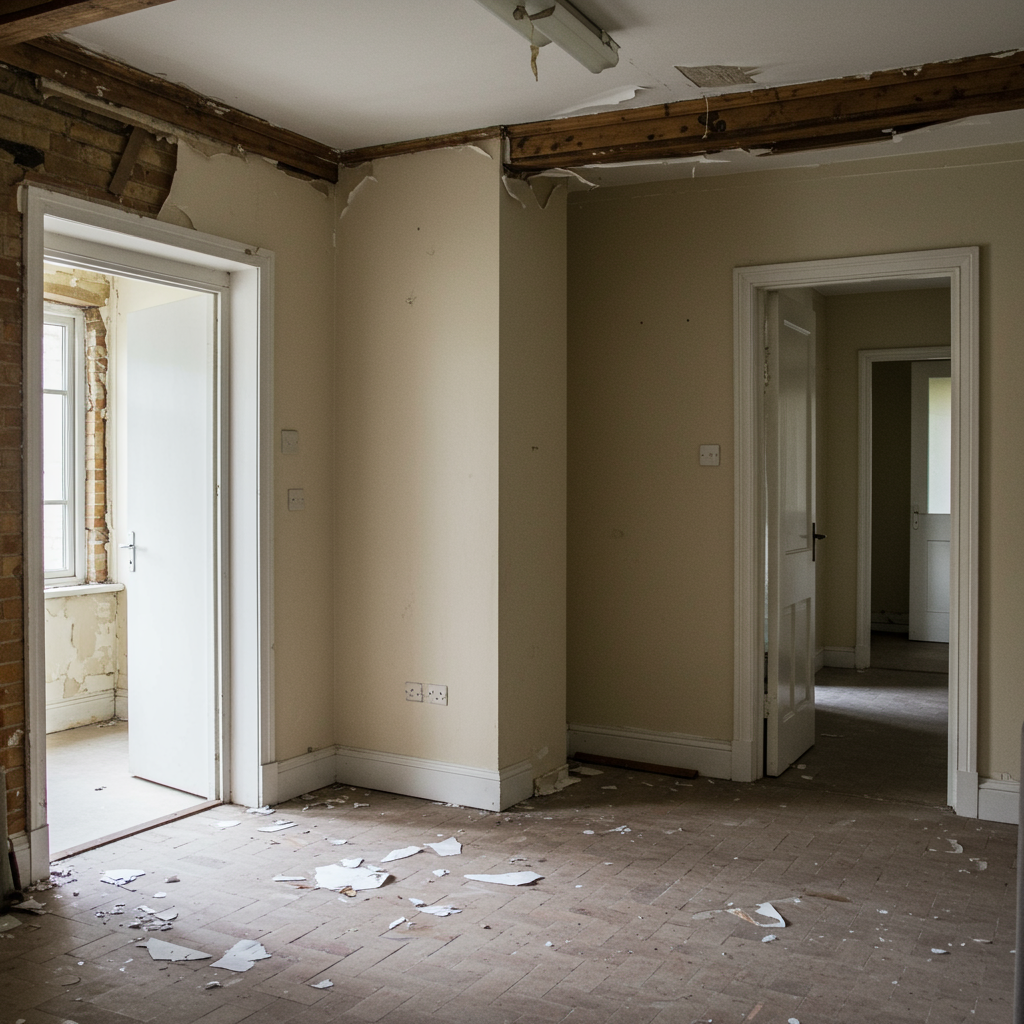
Miss D’s matter illustrates how failures during litigation can leave tenants vulnerable. Her case began in 2024 but the firm originally handling it entered administration. Critical court deadlines were missed and the landlord’s solicitors successfully applied to have the claim struck out. The court ordered Miss D to pay the landlord’s costs, adding further distress to someone on a limited income. Work on the property was still outstanding and, in the worst instance, part of the ceiling had collapsed.
FDM Solicitors were instructed in summer 2025. We reviewed the file, advised Miss D about her options and helped her secure a route to put necessary repairs in hand and pursue the remedies she needed to restore safety to her home. Cases like Miss D’s show why prompt, specialist support can be decisive when claims are at risk of procedural failure.
Key takeaways
- Report damp and mould in writing and keep copies of all correspondence;
- Collect clear, dated evidence (photos, videos, records of conversations);
- Ask your landlord for a timescale for repairs and escalate to environmental health or the housing provider if ignored;
- Seek legal advice early if repairs are not being carried out — missed deadlines and lack of representation can harm your chances of remedy.
Need help with housing disrepair?
If you’re struggling with damp, mould or other disrepair and need help understanding your options, we can advise on next steps and representation. Find more information about our housing disrepair services and how we help tenants at Housing Disrepair Claims. If you need to speak to someone, please contact us through our website and we will explain how we can assist.
FDM Solicitors are committed to supporting tenants through the legal process and securing timely repairs and compensation where appropriate. Don’t wait until the problem worsens — early action improves outcomes.